Discover Tampa Plastering Services for professional plaster repair and installation solutions
Discover Tampa Plastering Services for professional plaster repair and installation solutions
Blog Article
Plastering Solutions: Achieve a Flawless Result for Your Interiors
Plastering services are crucial in improving the aesthetic appeal of interiors. By turning rough walls into smooth surfaces, these solutions not only enhance visual quality but also resolve structural issues. Various techniques are available, each tailored for different needs and preferences. Knowing these options can be essential for homeowners. What factors should one consider when choosing the right plastering method? The answer may be unexpected.
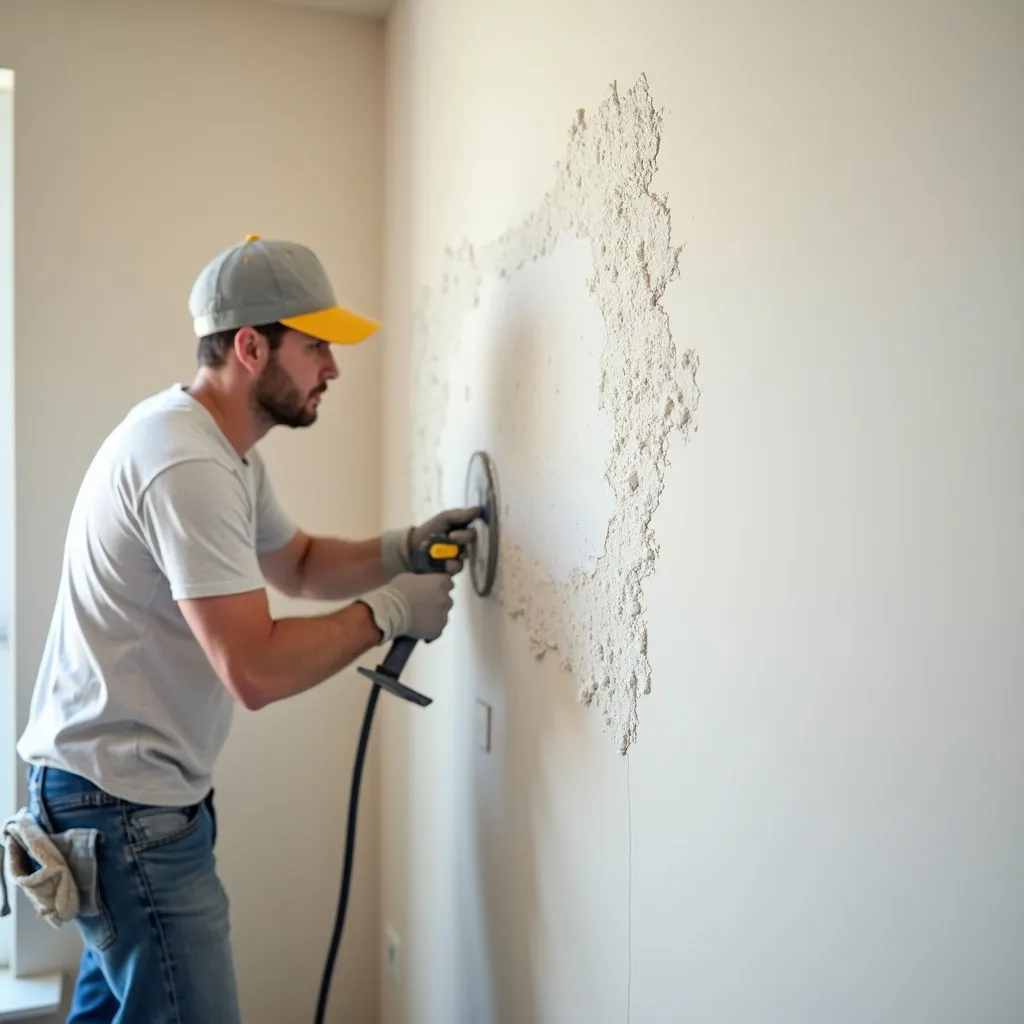
The Significant Pluses of Adept Plastering
Skilled plastering experts offer substantial advantages that enhance the quality of indoor spaces. This specialized expertise strengthens the visual beauty of walls and ceilings, providing a consistent and even surface that is visually striking. Additionally, professional plaster application contributes to greater durability, defending walls from wear and tear over time. The use of high-quality plaster can further enhance superior thermal performance, controlling ambient temperature and potentially reducing power bills.
Moreover, qualified plastering specialists possess the capabilities and experience vital to identify and address deeper problems, such as moisture or structural problems, before they amplify. This proactive approach not only guarantees a spotless appearance but also enhances the longevity of the work. Furthermore, the use of state-of-the-art materials and practices confirms a outstanding final outcome, making spaces more inviting and comfortable. Ultimately, committing to professional plastering work lays the foundation for elegantly completed interior designs that withstand the test of time.
Common Plaster Application Techniques and Their Uses
Plastering techniques fulfill different aesthetic and functional needs in interior spaces. One standard approach is traditional plastering, which requires applying a base coat followed by a finish coat, creating a smooth surface ideal for color application. Another approach is skimming, where a thin layer of plaster is spread over existing walls to enhance their look without extensive repairs.
Textured plaster application provides aesthetic appeal and can hide imperfections; techniques such as knockdown or stucco finish produce distinctive finishes suited for various design styles. Venetian plaster, a high-end choice, delivers a luxurious, polished look through multiple layers and specialized installation methods, often improving the atmosphere of high-end interiors.
In conclusion, plaster finishing is frequently applied for new builds, supplying an efficient way to finish walls and ceilings. Each technique addresses distinct purposes, permitting homeowners and designers to realize desired aesthetics while preserving durability.
How to Pick the Optimal Plaster Technique for Your Space
Finding the optimal plaster application method requires a careful assessment of the wall's condition and the particular purpose of the space. Understanding these factors aids in determining the most appropriate products to use. By considering both the environment and practical needs, you can achieve an informed choice that enhances the space.
Inspect Your Wall Appearance
How does one select the most ideal plastering technique for their room? Evaluating the wall condition is fundamental in the selection process. The first step involves examining for cracks, dampness, or uneven surfaces that can impact the plastering approach. For example, walls with significant wear may require repair before plastering, while smoother surfaces might be suited to a simple skim coat. In addition, determining the type of wall material—such as drywall or masonry—is important for selecting the appropriate plaster. A thorough evaluation guarantees that the chosen technique not only boosts appearance but also ensures lasting durability. Ultimately, understanding the wall's condition facilitates informed decisions that result in a flawless finish.
Evaluate Room Practicality
When deciding on the best plaster application for a space, grasping the room's application is essential. Multiple areas of a home serve particular purposes, review article which can impact the plastering approach. For case in point, high-traffic rooms like hallways may benefit from more long-lasting finishes that resist wear, while bedrooms might highlight aesthetics and smooth textures for added comfort.
Additionally, damp spaces such as bathrooms demand specialized techniques to avoid mold and damage. In contrast, living rooms could emphasize decorative plaster finishes to improve visual appeal. By matching the plastering technique with the particular purpose of each room, one can achieve not only a perfect surface but also guarantee durability and performance tailored to the environment's needs.
Decide on Appropriate Materials
What materials are best suited for plaster application in a specific space? The choice of plaster materials greatly impacts the finish and longevity of the area. Traditional lime-based plaster is perfect for older buildings, providing flexibility and breathability, which helps prevent moisture accumulation. Gypsum plaster, known for its quick setting time, is suitable for modern interiors and delivers a even finish. For high-moisture areas, such as bathrooms, waterproof plaster is recommended to prevent mold growth. Additionally, taking into account the underlying surface is crucial; plaster should adhere well to materials like brick or concrete. Ultimately, choosing the appropriate plastering material improves both aesthetics and functionality, guaranteeing the interior spaces stay attractive and durable over time.
Key Indicators That You Should Get Professional Plastering
When evaluating the need for professional plastering, multiple important signs can signal underlying issues. Fractures and openings, uneven surface areas, and signs of moisture damage are critical elements to take into account. Addressing these issues promptly can avoid additional decline and guarantee a even, visually appealing interior.
Cracks and holes may noticeably compromise both the beauty and constructional integrity of interior areas. These blemishes not only damage overall aesthetics but also reveal more serious issues inside the walls. Small cracks might appear innocuous, yet they have the potential to enlarge with time, resulting in additional damage. Holes caused by nails or other objects introduce weak points that impact insulation and energy efficiency. Homeowners must not dismiss these warning signs; quickly addressing them with expert plastering services promises a flawless finish and prevents costly repairs down the line. Neglecting cracks and holes may result in higher maintenance expenses and an unsightly environment, making timely repair vital for keeping the appeal and strength of interior spaces.
Uneven Wall Surfaces
Uneven wall surfaces can considerably reduce the beauty of a home, pointing to the need for skilled plastering. Homeowners frequently notice variations in wall finish, with parts appearing uneven or textured. These imperfections may result from faulty application, foundation settling, or wear over time. An uneven surface not only influences the overall look but can also interfere with the application of paint or wallpaper, causing an undesirable effect. Moreover, light can throw shadows on uneven walls, additionally highlighting flaws. Hiring professional plastering services ensures that these surfaces are smoothed out, providing a uniform base for further decoration. A flawless wall greatly contributes to a home’s environment and market value, making quick repair essential.
Water Damage Indicators
Water damage manifests in varied forms, often pointing to the urgent need for professional plastering services. Homeowners must be aware for specific indicators. Stains or color changes on walls and ceilings are key signs, often appearing as yellow or brown patches. Peeling or flaking paint also implies hidden moisture issues, as does mold or mildew presence, which can negatively affect indoor air quality. Moreover, if walls feel damp or emit a musty scent, it could indicate hidden water damage. Cracks or flaking plaster can further uncover structural problems caused by moisture seepage. Timely action with specialized plastering services is vital to maintain a healthy and pleasant living environment.
What Amount Should You Anticipate for Plaster Installation?
What investment might you anticipate for plaster work in indoor areas? The cost of plastering varies significantly depending on several considerations, such as the area size, the type of plaster applied, and the project complexity. On average, property owners can expect paying from $1.50 to $3.50 per square foot for basic plaster work. For highly specialized finishes, like Venetian plaster, costs may increase to $6 or more per square foot.
Other payments may come about from groundwork, such as renovating existing walls or ceilings. Labor costs also hold an essential position, with skilled plasterers quoting hourly rates that can reach from $25 to $75. Ultimately, sourcing multiple quotes from licensed professionals can furnish a clearer picture of the expected investment, ensuring homeowners make prudent choices while preparing budgets for their plastering projects.
Maintenance Suggestions for Your Newly Plastered Interiors
After purchasing plastering services for interiors, maintaining the freshly completed surfaces becomes crucial for longevity and look. Regular cleaning using a soft, dry cloth helps prevent dirt accumulation. It's advisable to avoid abrasive cleaners that can damage the surface. Instead, mild soap mixed with water can be used for occasional cleaning.
Humidity regulation is important; excessive moisture can result in mold formation or harm. Using a dehumidifier in damp areas can reduce this risk. To guard against marks and dents, think about using furniture pads under substantial furniture.
Check the plaster regularly for damage or deterioration, tackling any issues quickly to prevent additional deterioration. Finally, applying a suitable sealant can enhance durability and cleaning convenience, ensuring the plaster preserves its visual beauty over time. Adhering to these maintenance tips will help preserve the beauty and integrity of newly plastered interiors.
Common Questions Asked Often
How Long Duration Should You Anticipate for Plastering Tasks?
Plastering usually requires 1-3 days to accomplish, based on the size of the area and the complexity of the work. Setting period can prolong the entire undertaking, necessitating additional days for best results.
Can I layer Plaster Over present Wallpaper or Paint?
Plastering over current wall finishes is generally not recommended. The surfaces may obstruct effective adhesion, producing cracks or peeling. For finest outcomes, removing the wallpaper or paint before plastering is suggested.
Which Plaster Products Types Are In Stock?
aesthetic and construction demands.
Does Plastering Work well for Exterior Projects?
Outdoor applications can be well-suited for plastering, particularly when applying professional-grade outdoor plasters that combat moisture and climate shifts. These materials improve longevity while providing a durable and aesthetically pleasing coating for different outdoor surfaces.
How Can I Set Up My Room Before Plastering?
To prepare a room in order for plastering, one should remove furniture, cover floors with drop cloths, clean walls, restore any damage, and ensure proper ventilation. Complete preparation guarantees a smoother application and finer final results.
Report this page